The evolution of casinos a journey through time and culture
The Origins of Gambling
The history of gambling dates back thousands of years, with evidence found in ancient China, where rudimentary games of chance were played using wood and dice. Early records indicate that gambling was an integral part of the societal fabric, often linked to religious rituals and celebrations. Archaeological finds show that these early games not only entertained but also served as a means of divining the future, thus intertwining gambling with cultural practices.
In ancient Rome, gambling flourished as well, with various forms of bets made on chariot races and gladiatorial contests. Romans developed a sophisticated approach to betting, complete with odds and regulations. As these games became popular, they set the stage for the modern concept of casinos, which evolved from the social settings of local taverns and gathering places where gambling occurred. The cultural acceptance of gambling during this period reflected its deep-rooted significance in societal interactions.
As cultures evolved, so did the methods and forms of gambling. The medieval period in Europe saw the emergence of card games, which quickly gained traction among the upper classes. Gambling houses began to appear, offering a more organized environment for play. This transition marked a pivotal moment in the evolution of casinos, as the shift from informal betting to structured gambling venues paved the way for the grand establishments we recognize today.
The Rise of Formal Casinos
The establishment of formal casinos can be traced back to the 17th century in Italy, where the first known casino, the Ridotto, opened its doors in Venice. This venue was revolutionary, as it provided a dedicated space for gambling and created an atmosphere of luxury and exclusivity. The Ridotto catered to the aristocracy, offering games such as faro and baccarat, setting the standard for future casinos. This idea of a lavish environment dedicated to gambling quickly spread across Europe.
During the 18th century, casinos emerged in various European cities, each with its unique flair. The growth of these establishments coincided with the rise of the bourgeoisie, who sought entertainment that matched their newfound wealth. As a result, cities like Monte Carlo and Baden-Baden became synonymous with opulence and high-stakes gambling. These casinos not only served as gaming venues but also became social hubs where art, music, and fashion flourished, showcasing the cultural dimensions of gambling.
The 19th century brought about significant changes in casino operations, including the introduction of regulated gaming laws. These regulations aimed to minimize cheating and promote fair play, establishing a level of trust between patrons and operators. The Las Vegas Strip, later in the 20th century, would take this evolution further by combining the thrills of gambling with extravagant entertainment, solidifying casinos as major tourist attractions and cultural landmarks.
The Modern Casino Experience
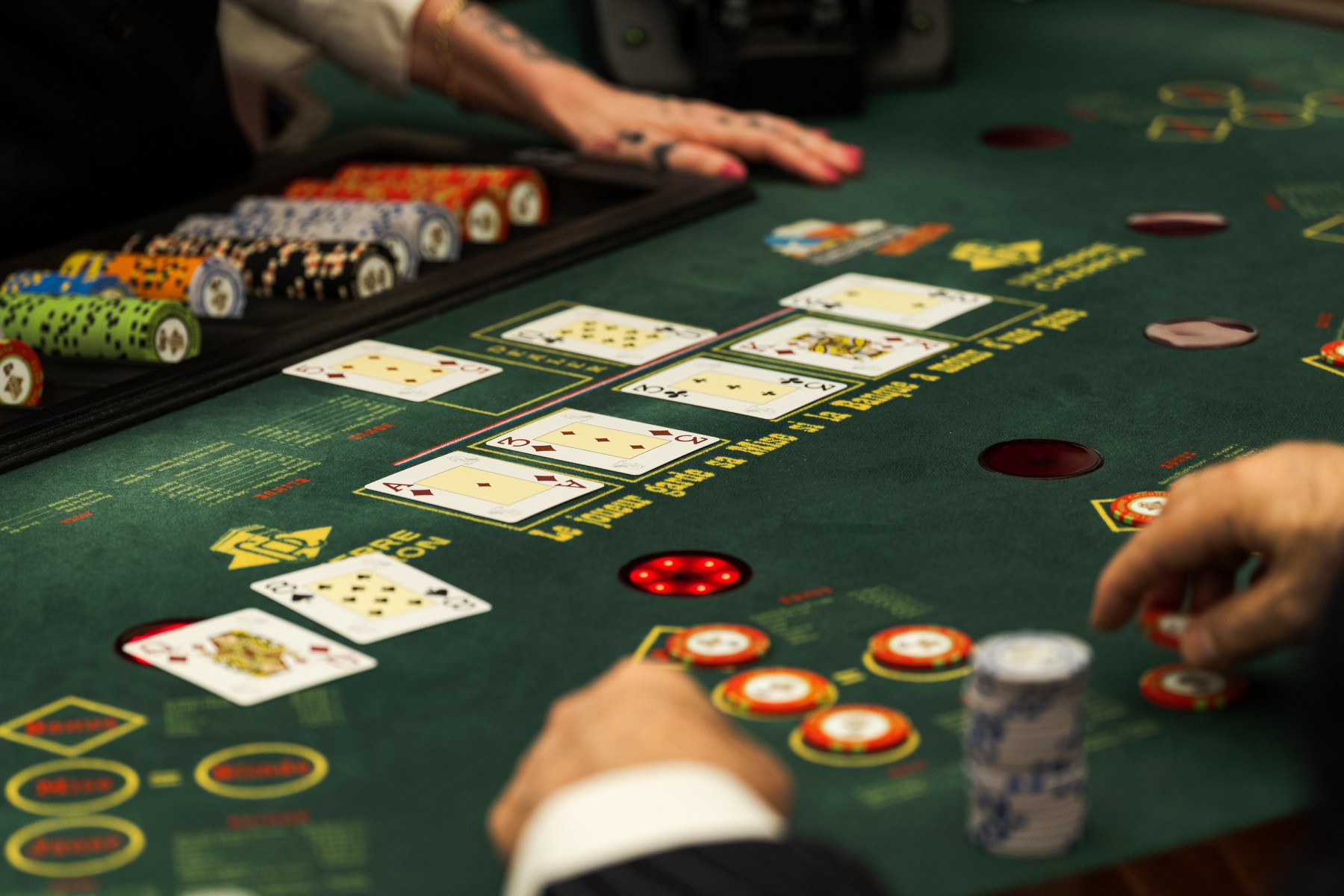
Today’s casinos offer a diverse range of gambling options, from traditional table games to state-of-the-art slot machines. The integration of technology has transformed the gaming experience, with online casinos now providing players with access to thousands of games from the comfort of their homes. This shift reflects changing consumer preferences, as younger generations embrace digital platforms, including SpinFin, which offers live dealer games that allow players to experience the thrill of a real casino environment without ever leaving their living rooms.
Moreover, the focus on user experience has led to significant innovations in game design and customer engagement. The use of virtual reality and augmented reality is becoming more prevalent, creating immersive gaming environments that attract new players. Additionally, mobile gaming has surged, enabling players to access their favorite games anytime, anywhere. This evolution is not just about technology; it’s about enhancing the overall gambling experience, catering to the evolving tastes of a global audience.
Casino culture today reflects a blend of sophistication and entertainment, with many establishments offering restaurants, bars, and live shows. This trend has turned casinos into comprehensive entertainment hubs, where gambling is just one aspect of a larger experience. The modern casino is no longer merely a place to gamble; it has evolved into a multifaceted venue that caters to diverse interests, ensuring its relevance in an increasingly competitive entertainment landscape.
The Cultural Impact of Casinos
Casinos have significantly impacted the cultural landscape, influencing literature, film, and art. They often symbolize wealth, risk, and the human condition’s complexities, serving as backdrops for countless stories that explore themes of chance, fate, and desire. From classic films like “Casino Royale” to contemporary series that delve into high-stakes gambling, casinos have captured the imagination of audiences worldwide. This portrayal has shaped public perceptions of gambling and contributed to its mystique.
Moreover, casinos play a crucial role in local economies, particularly in tourist-heavy regions. They create jobs, stimulate growth in surrounding businesses, and generate substantial tax revenue. The economic benefits of casinos often lead to debates regarding regulation, responsible gambling, and community impact. As such, they are often at the center of discussions about the ethical implications of gambling and its societal effects.
As gambling continues to evolve, so does its role in culture. With shifts in attitudes toward gambling, many regions are reevaluating their approach to casinos. Some are embracing them as vital components of the tourism industry, while others are implementing stricter regulations to address potential harms. This ongoing dialogue reflects the complexity of gambling within society and underscores the need for a balanced perspective that considers both the entertainment value and the risks associated with it.

SpinFin: A Modern Online Casino Experience
SpinFin represents the evolution of casinos in the digital age, offering an expansive selection of over 5,000 games tailored for UK players. As a premier online casino, SpinFin combines traditional gaming experiences with modern technology, creating a platform that caters to both seasoned gamblers and newcomers alike. The diversity of games, including slots, live dealers, and sports betting, ensures there is something for everyone, enhancing user engagement and satisfaction.
The user-friendly interface of SpinFin allows players to navigate easily through its offerings, with enticing features such as welcome bonuses and free spins. The commitment to rapid payouts and 24/7 customer support highlights SpinFin’s dedication to providing a secure and enjoyable gaming experience. By prioritizing user satisfaction, SpinFin positions itself as a leader in the online gaming industry, showcasing the importance of customer-centric strategies in today’s competitive market.
As online casinos like SpinFin continue to redefine the gambling landscape, they highlight the ongoing evolution of casinos from traditional brick-and-mortar establishments to dynamic digital platforms. This transformation reflects broader societal changes and the demand for innovative gaming solutions that resonate with modern players, ensuring that casinos remain a vital part of global culture.